
What Causes Lower Abdominal Pain in Women?

What Causes Lower Abdominal Pain in Women? Lower abdominal pain is not a single condition. It is a signal the body uses to draw attention to something happening beneath the surface. For some women, it appears quietly as a sense of heaviness or pressure. For others, it arrives suddenly and interrupts daily life. Because this area of the body contains organs linked to digestion, urination, and reproduction, the reasons for discomfort can vary widely. Pain should never be dismissed simply because it is common. While some discomfort is part of natural bodily changes, ongoing or intense pain often deserves medical evaluation When Pain Follows a Monthly Pattern Many women notice abdominal discomfort that appears around the same time each month. This pain is linked to internal muscular activity during the menstrual cycle. The uterus responds to hormonal changes, and this response can create cramping sensations in the lower abdomen. Mild pain that settles within a day or two is usually not a concern. However, when monthly pain becomes stronger over time, spreads to the back or legs, or interferes with work and rest, it may reflect an underlying issue rather than a normal cycle variation. Mid-Cycle Discomfort That Comes and Goes Some women experience pain midway through their cycle, often on only one side of the abdomen. This type of discomfort is brief and may feel sharp or pulling. Although this type of pain is often harmless, repeated mid-cycle discomfort should not be ignored. Persistent pain during this phase may point to changes within the ovaries that require further assessment. Digestive Changes That Affect the Lower Abdomen The lower abdomen is closely connected to the digestive system, which means stomach and bowel issues can easily cause pain. Irregular bowel movements, trapped gas, or food sensitivities can all create pressure and discomfort. Digestive-related pain often fluctuates throughout the day and may improve after eating differently or passing stool. If such pain becomes frequent or is associated with weight loss or appetite changes, medical advice is recommended. Discomfort Related to Urination Pain in the lower abdomen can also originate from the urinary system. Infections or irritation of the bladder may cause aching, pressure, or a burning sensation. Women may notice increased urgency to urinate or discomfort that worsens when the bladder is full. Prompt treatment usually resolves these symptoms quickly. Delaying care can allow the problem to worsen and affect surrounding areas. Internal Inflammation and Infections When infections involve internal reproductive organs, pain tends to be continuous rather than occasional. This discomfort may be accompanied by fever, fatigue, or unusual bodily discharge. These infections require timely medical attention, as untreated inflammation can lead to long-term complications. Early diagnosis plays a key role in protecting reproductive health. Need To Discuss Your Pregnancy Case? Talk to our Expert Gynecologist Dr. Harneet Kaur Grover, Call Now: +91 62806 78251 Book Appointment Changes Within the Ovaries or Uterus Sometimes pain develops due to physical changes within the reproductive organs. Growths, fluid buildup, or structural changes can place pressure on nearby tissues, resulting in discomfort or a feeling of fullness. This type of pain may be dull and persistent or sharp and sudden. Any sudden increase in intensity should be treated as a medical priority. Ongoing Pain That Has No Clear Pattern Some women experience lower abdominal pain that does not follow a cycle or respond to simple treatments. This pain may last for months and affect emotional well-being as well as physical health. Chronic pain is never “normal” and should always be evaluated to identify the cause and develop a long-term management plan. Pain During Pregnancy During pregnancy, the body undergoes rapid changes that can cause stretching sensations and mild discomfort. However, pain during pregnancy should always be taken seriously. Persistent or severe pain at any stage of pregnancy requires immediate medical attention to ensure the safety of both mother and baby. Knowing When to Seek Medical Help A woman should consult a healthcare professional if abdominal pain: Persists beyond a few days Becomes stronger or sudden Is accompanied by fever, bleeding, or vomiting Disrupts daily activities or sleep Listening to the body and acting early often prevents complications. Final Note Lower abdominal pain in women has many possible explanations, and no two experiences are exactly the same. While some discomfort may resolve naturally, persistent pain is the body’s way of asking for attention. Seeking professional medical care ensures accurate diagnosis, appropriate treatment, and peace of mind.
Understanding Gynecology Disorders and the Signals Women Often Miss
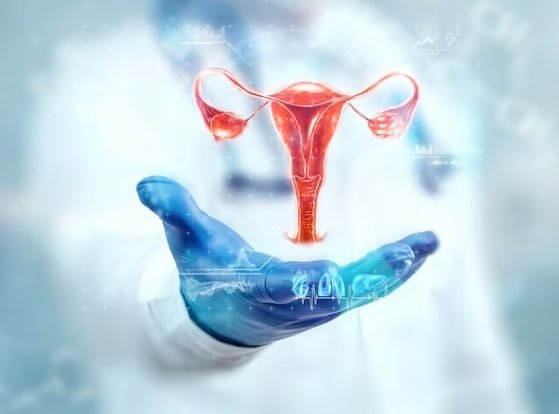
Common Gynecology Disorders and the Signals Women Often Miss Women often carry their health concerns quietly, brushing aside discomfort the same way someone might ignore a small crack in a window—hoping it stays small, telling themselves it’s nothing serious. But the reproductive system has its own language, and when something feels off, the body rarely stays silent. Instead, it sends small messages: a cycle that comes late, pain that lingers a little longer than it used to, or changes that seem random but are actually meaningful. Understanding these signs doesn’t require medical training; it simply requires paying attention to how the body behaves from month to month. Gynaecology disorders are not rare or dramatic by definition. Most of them begin subtly. Some drift into a woman’s life the way a shadow falls across a room—noticeable only if you stop moving long enough to see it. Below is a human-centred look at some of the most common conditions affecting women, explained in plain language without the stiff tone of medical textbooks. PCOS — When the Body’s Timing Feels Off Some women find that their menstrual cycle becomes unpredictable, as if someone tampered with the internal calendar that usually keeps everything on schedule. This unpredictable rhythm is often tied to PCOS, a condition where hormones take on their own unpredictable patterns. Women may start noticing that their periods skip entire months or show up unexpectedly. Skin may change as well—breakouts become stubborn, and hair appears in places where it wasn’t before. Some find themselves gaining weight without major changes in lifestyle. Others notice thinning hair or difficulty conceiving. PCOS doesn’t shout; it quietly shifts things over time. Endometriosis — Pain That Doesn’t Fit the “Normal” Category Period pain is expected, but some women experience discomfort that feels far beyond the usual cramps. With endometriosis, tissue that behaves like the lining of the uterus begins to grow in places where it doesn’t belong. Even though it’s misplaced, it still follows the monthly cycle, causing swelling and pain in areas not designed to handle it. Many women describe pain that interrupts daily life—during periods, between periods, or during intimacy. Some notice heavy bleeding, unexpected spotting, or bloating that follows a monthly pattern. For many, the most heartbreaking symptom is difficulty becoming pregnant. Endometriosis often hides behind the assumption that period pain is normal, which delays diagnosis. Fibroids — Silent “Room Takers” Inside the Uterus Fibroids are growths that can appear in or around the uterus. They’re not cancerous, but depending on their size, they can cause all kinds of unusual symptoms. A woman may notice her periods becoming heavier than before, or she may feel a sense of pressure in her lower belly as if something is taking up extra space. Some fibroids press against the bladder, causing frequent urination. Others create backaches or constipation. Fibroids vary widely—some stay small and quiet, while others grow large enough to change the shape of the abdomen. Need To Discuss Your Pregnancy Case? Talk to our Expert Gynecologist Dr. Harneet Kaur Grover, Call Now: +91 62806 78251 Book Appointment Pelvic Inflammatory Disease — When Infection Moves Inward PID often begins as an infection that wasn’t treated early. When it travels upward into the reproductive organs, the body reacts with discomfort that’s hard to ignore. Women may feel a constant ache low in the abdomen, accompanied by fever or unusual discharge. Some experience pain during sex or bleeding at times when bleeding shouldn’t occur. Because PID can affect fertility if untreated, early care is essential. Ovarian Cysts — Small Sacs That Sometimes Make a Big Impact Most ovarian cysts cause no trouble and disappear on their own, but some make themselves known. A woman may suddenly feel a sharp pain on one side or notice a persistent heaviness in her lower abdomen. Some cysts cause irregular periods or discomfort during intercourse. A sudden, intense pain can occur if a cyst ruptures, which requires immediate attention. Vaginitis — When Balance Is Thrown Off The vagina maintains its own natural environment, but it’s sensitive to disruptions. Vaginitis occurs when that environment gets thrown off balance by bacteria, yeast, or irritants. Symptoms can include itching, burning, or discharge that looks or smells different from usual. Some women feel pain when urinating, while others simply notice ongoing discomfort because several different things can cause vaginitis; proper diagnosis matters. Menstrual Disorders — When the Cycle Changes Its Story Every woman has her own version of “normal.” When that pattern suddenly changes, the shift often reflects something deeper. Some notice extremely heavy bleeding. Others miss periods entirely without explanation. Some experience intense cramps that feel new or worsening, while others have cycles that come more frequently than before. These changes are worth paying attention to because they are often the first sign that something needs care. Conclusion Gynecology disorders don’t arrive without clues. The body speaks through patterns—changes in bleeding, new or persistent pain, unusual discharge, and cycles that feel unfamiliar. Instead of ignoring these signs, women benefit from viewing them as important messages. When women take their symptoms seriously, they protect their long-term health, comfort, and peace of mind. Early attention and awareness often make all the difference.
Vaginal Discharge Before Period vs. Early Pregnancy: How Your Body Sends Signals

Vaginal Discharge Before Period vs. Early Pregnancy: How Your Body Sends Signals Many women rely on subtle body changes to understand what’s going on in their cycle. Among those signals, vaginal discharge is one of the most noticeable yet most confusing. A slight change in color or texture can leave you wondering, “Is my period coming, or could this be an early pregnancy symptom?” Even though the two types of discharge can look similar, they come from different hormonal patterns. This guide breaks things down gently and clearly so you can understand the differences without any medical jargon. Why Discharge Even Changes in the First Place Think of vaginal discharge as your body’s way of communicating. It changes throughout the month because your hormones rise and fall in a natural rhythm. When estrogen rises, the discharge becomes more slippery and stretchy. When progesterone rises, it becomes thicker and creamier. Both your period and early pregnancy involve hormonal surges, which is why the symptoms feel confusing. But each situation has its own pattern once you look closely. What Discharge Is Like Before Your Period In the days before menstruation, your body begins shifting gears. The uterine lining is preparing to shed, and hormone levels start dipping. This usually creates a certain type of cervical mucus. What it typically looks like: A white or pale cream color A thicker or heavier consistency A texture that may feel lotion-like or pasty Usually less discharge compared to the middle of the cycle This type of discharge often appears a few days before bleeding starts and then decreases right before your period actually arrives. Other PMS signs that often show up with it: Mild backache Food cravings Mood swings Slight breast swelling When these familiar PMS traits show up alongside thicker discharge, it usually signals an approaching period. How Early Pregnancy Discharge Feels Different If conception happens, the body quickly begins working behind the scenes. Extra blood flow reaches the pelvic area, and progesterone rises dramatically to protect the embryo. This shift often causes a distinct type of discharge. What early pregnancy discharge usually looks like: Milky, smooth, or silky texture More noticeable or more frequent than your usual discharge Mild-smelling or almost odorless A bit thinner or softer than typical PMS discharge Appears consistently, sometimes even before you miss your period The purpose of this discharge is protective—it helps keep the vagina clean and reduces the chance of infection. Other signs that may appear along with this discharge: Feeling unusually tired Breasts feeling sore, sensitive, or “full” Upset stomach or queasiness Strong reactions to smells Going to the bathroom more often A missed or very delayed period These symptoms together form a clearer picture than discharge alone. Need To Discuss Your Pregnancy Case? Talk to our Expert Gynecologist Dr. Harneet Kaur Grover, Call Now: +91 62806 78251 Book Appointment Key Differences: A Simple Breakdown Below is an easy way to compare the two experiences without getting overwhelmed: Color Before period: White or creamy Early pregnancy: Soft white, sometimes more consistent in shade Texture Before period: Thick, heavy, or sticky Early pregnancy: Soft, smooth, sometimes slightly runny Amount Before period: Moderate and often decreases Early pregnancy: May increase or stay steady throughout the day Pattern Before period: Shows up a few days before bleeding Early pregnancy: Can begin soon after implantation and continue regularly Smell Before period: Mild but normal Early pregnancy: Usually very faint or no smell Can Discharge Alone Tell You If You’re Pregnant? Unfortunately, no. While discharge gives valuable hints, it cannot confirm pregnancy. Many women have pregnancy-like discharge during PMS, and many pregnant women have discharge that feels just like their usual cycle. To know for sure, you can: Take a pregnancy test after a missed period Consider a blood test for more accurate results Speak with a healthcare provider if symptoms feel unclear When Discharge Needs Medical Attention Most discharge is harmless, but some changes should not be ignored. You should get checked if you notice: A strong or unpleasant odor Green, gray, or frothy discharge Clumpy, cottage-cheese-like texture Itching, burning, or irritation Pain in the pelvis or during urination Fever or severe discomfort These signs may point toward infections that require treatment. Conclusion Your vaginal discharge can tell you a lot about where you are in your cycle, but it doesn’t always give a simple yes or no answer. Pre-period discharge tends to be thicker and short-lived, while early pregnancy discharge usually feels softer, more consistent, and often appears with other early pregnancy signals. Every woman’s body has its own rhythm, so the best thing you can do is learn what’s normal for you. Paying attention to patterns over time makes it much easier to understand the changes.
Double Marker Test in Pregnancy: Procedure, Requirements and Price

Double Marker Test in Pregnancy: Procedure, Requirements and Price Pregnancy is a miraculous journey filled with anticipation and joy, but it also comes with a plethora of responsibilities, including ensuring the health and well-being of both the mother and the baby. In the realm of prenatal care, the Double Marker Test plays a pivotal role in assessing the risk of chromosomal abnormalities in the fetus, offering expectant parents valuable insights and peace of mind. What is the Double Marker Test in Pregnancy? The Double Marker Test, also known as the Dual Marker Test, is a screening procedure conducted during the first trimester of pregnancy. Typically double market test conducted between the 9th and 13th week of pregnancy. It is a blood test performed on the expectant mother to evaluate the likelihood of certain chromosomal abnormalities, primarily Down syndrome (Trisomy 21) and Edward syndrome (Trisomy 18), in the developing fetus. How Does It Work? The test primarily measures two key substances in the maternal blood: Free Beta Human Chorionic Gonadotropin (HCG): This hormone, produced by the placenta, is detectable in maternal blood and urine during pregnancy. Abnormal levels of HCG can indicate the presence of certain chromosomal abnormalities. Pregnancy-Associated Plasma Protein-A (PAPP-A): This protein is also produced by the placenta and plays a crucial role in supporting fetal growth and development. Deviations from the expected levels of PAPP-A can signal potential chromosomal anomalies. Why is double or dual marker test in pregnancy Important? Early detection of chromosomal abnormalities is crucial for several reasons: Informed Decision-Making: Knowledge about the baby’s health status allows expectant parents to make informed decisions regarding further diagnostic tests, pregnancy management, and potential interventions. Emotional Preparation: While the news of a high-risk result may be challenging to digest, it provides expectant parents with the opportunity to emotionally prepare for any potential outcomes and seek support from healthcare professionals and support groups. Medical Intervention: In cases where chromosomal abnormalities are detected, early intervention and specialized medical care can significantly improve outcomes for both the mother and the baby. Who Should Take the Double Marker Blood Test? The Double Marker Test is recommended for all pregnant women, regardless of age or risk factors. However, it is particularly crucial for women who fall into the following categories: Women aged 35 and above, as the risk of chromosomal abnormalities increases with maternal age. Those with a family history of genetic disorders or a previous pregnancy affected by chromosomal abnormalities. Women with abnormal ultrasound findings are suggestive of fetal anomalies. The Testing Process The Double Marker Test is a relatively simple and non-invasive procedure. It involves drawing a small sample of the expectant mother’s blood, usually from a vein in the arm. The sample is then sent to a laboratory for analysis, where the levels of β-hCG and PAPP-A are measured. Diagnosing the Results The results of the Double Marker Test are typically reported as a risk score or probability, indicating the likelihood of the fetus being affected by chromosomal abnormalities. A low-risk result provides reassurance, while a high-risk result may prompt further diagnostic tests, such as amniocentesis or chorionic villus sampling (CVS), to confirm the diagnosis. How much double marker test cost? In India, the double marker test price can vary depending on the city, the laboratory or healthcare provider, and any additional services included. On average, the price of the Double Marker Test in India typically ranges from around ₹1,500 to ₹4,000 or more. However, it’s essential to note that prices can fluctuate based on factors such as location, facility reputation, and whether the test is part of a package deal with other prenatal screenings. It’s advisable to check with specific healthcare providers or laboratories in your area for the most accurate pricing information. Additionally, some hospitals or clinics may offer discounts or financial assistance programs for prenatal testing. Conclusion In the realm of prenatal care, knowledge is power. The Double Marker Test empowers expectant parents with valuable insights into the health of their unborn baby, enabling them to make informed decisions and access appropriate medical care. While it is not a diagnostic test, its role in identifying pregnancies at increased risk of chromosomal abnormalities cannot be overstated. By embracing prenatal screening technologies like the Double Marker Test, we can strive towards healthier outcomes for both mothers and babies, fostering a journey of hope and well-being throughout pregnancy and beyond.